
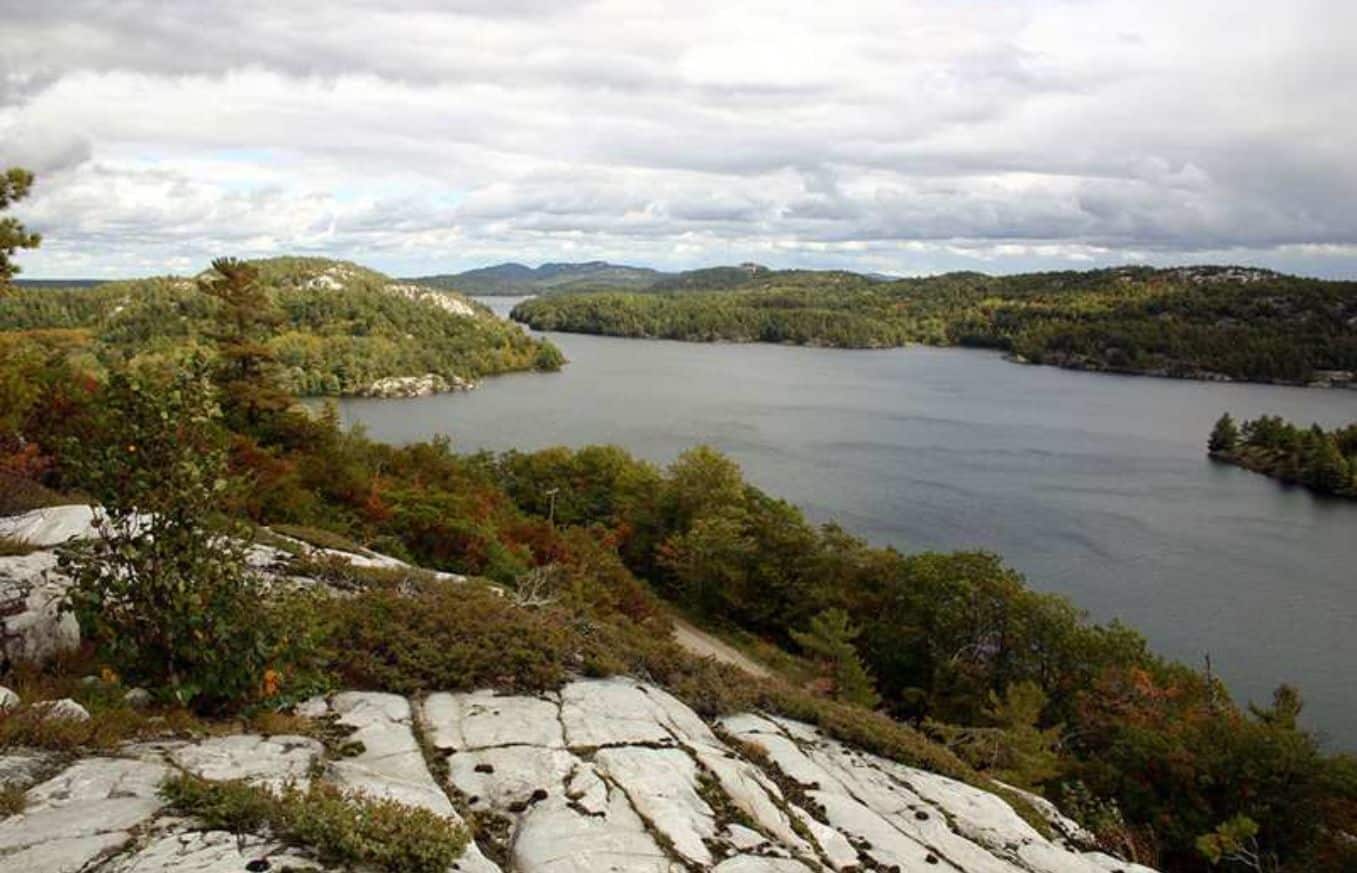
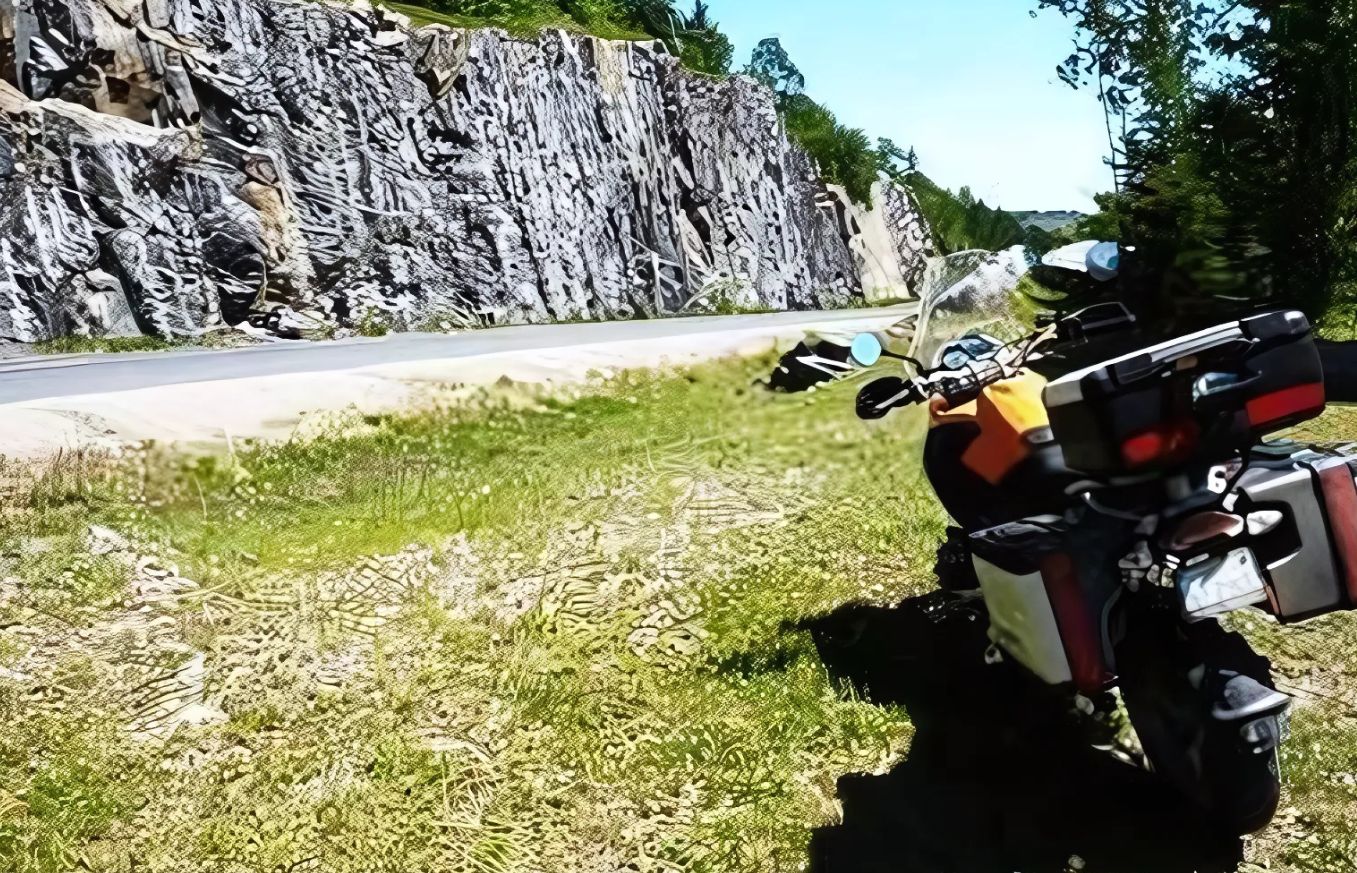
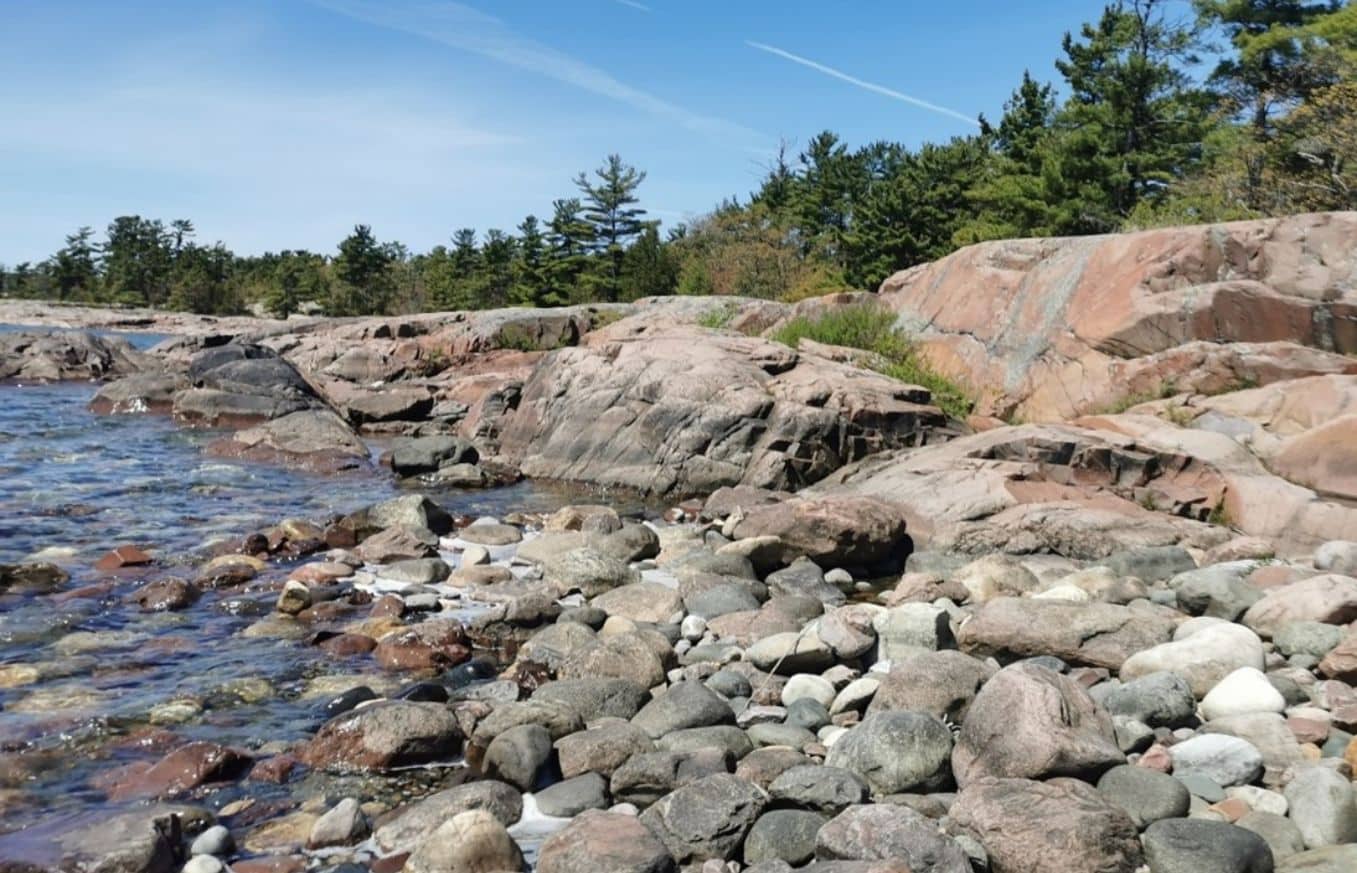
The white rolling quartzite hills of the La Cloche Mountains, beloved by artists of the Group of Seven, are the stumps of once high mountains. These formed when ancient North America collided with other landmasses to form a supercontinent called Nuna about 1.8 billion years ago. Quartzites and other rocks of the Huronian Ocean were squeezed and folded creating a fold belt like the Rocky Mountains today. Ancient volcanic magmas are exposed as the red granite hills of Killarney.

You are here
Indigenous place-based narratives for DEEP TIME ZONE 2 are being developed in concert with Indigenous-owned creative agency Design de Plume, regional Knowledge Keepers and Georgian Bay Indigenous community representatives. To find out more or provide input please contact us.
Killarney boasts geology unlike any other place in Ontario,with the gnarly white quartzite of the La Cloche mountains, formed during the Penokean Orogeny, to the glacially scoured 'sugarloaf' red granite hills, stemming from the Grenville Orogeny. To experience the geology take the Chikanishing Trail off Highway 637, which should take approximately an hour, to get great views of the Georgian Bay coast and the white hills of the La Cloche Mountains in the distance.
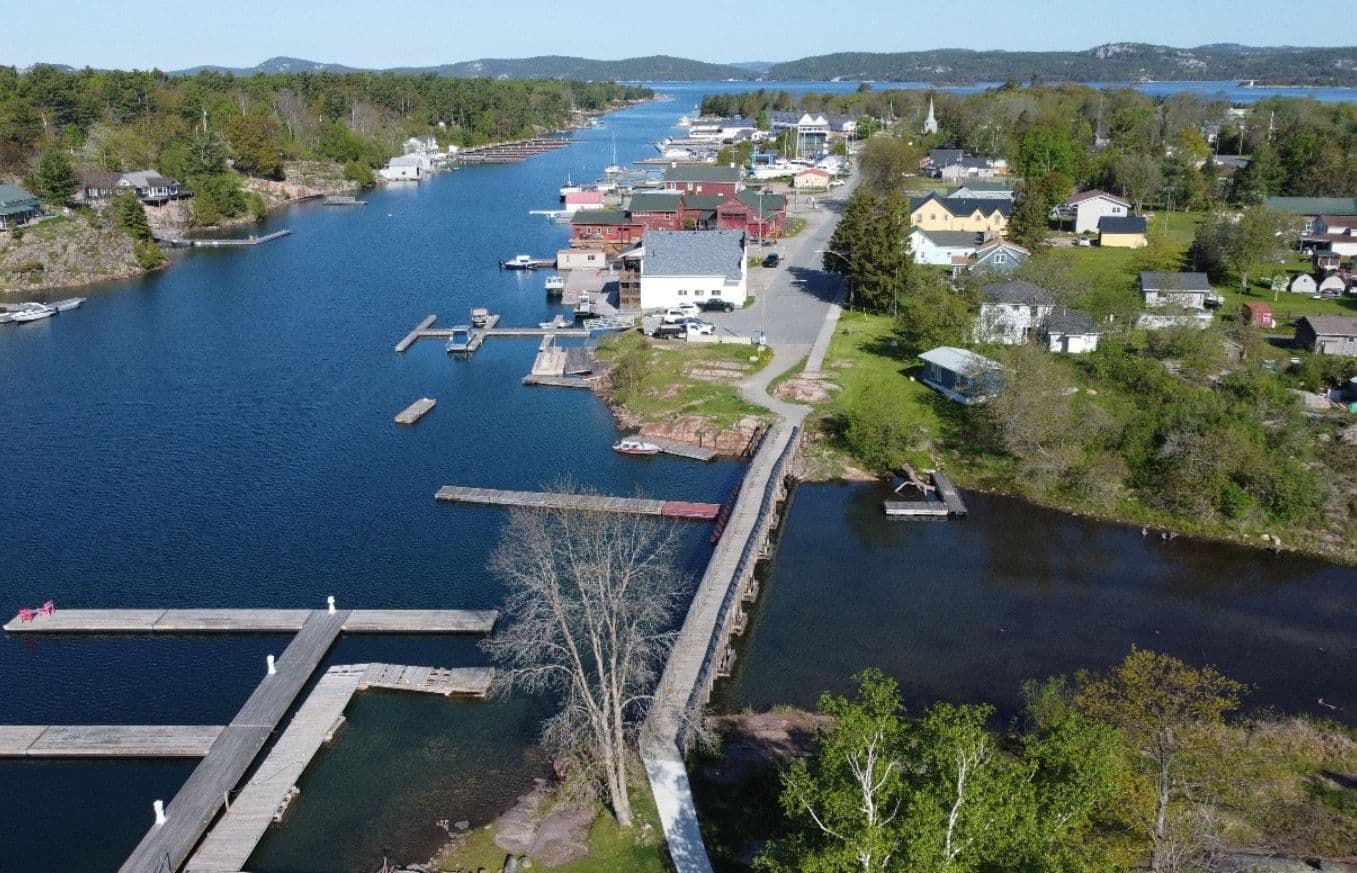
Killarney is an icon hidden in the far northern reaches of Georgian Bay. Located east of the entrance to the North Channel, which separates Manitoulin Island from Lake Huron, and surrounded by the white quartzite ridges of the La Cloche Ranges, rounded glacially-sculpted peaks of pink granite and evergreen White Pines, the Killarney Channel and its small portside community is sheltered from the deeper waters of Georgian Bay by George Island. For ever associated with the work of A.Y. Jackson, a prominent member of the Group of Seven artists, it is the oldest community on the north shore of Georgian Bay. The community lies close to the ghost towns of the French River, Collins Inlet and Key Harbour, and has a total population of about 500 people. The site, first named Shebahonaning (canoe passage), was settled in 1820 by fur trader Étienne Augustin de Lamorandière and his Anishinaabe wife Josephte Saisaigonokwe. It was only connected by Highway 637 to Highway 69 in 1962, two years before the founding of Killarney Provincial Park famous for its pristine clear lakes and winding trails. Herbert Fisheries and Fish and Chips on dockside is world famous and plays the same role (but uses local fish) in inducing boaters and tourists to visit the area that Henry’s Fish and Chips does in Sans Souci near the South Channel entrance to Parry Sound. Nearby Baie Fine is a superb example of a deep, narrow glacially-excavated valley now flooded by the waters of Lake Huron and resembles the fiords of Canada’s coast.
For learning, curriculum, and digital storytelling to be guided by community input.
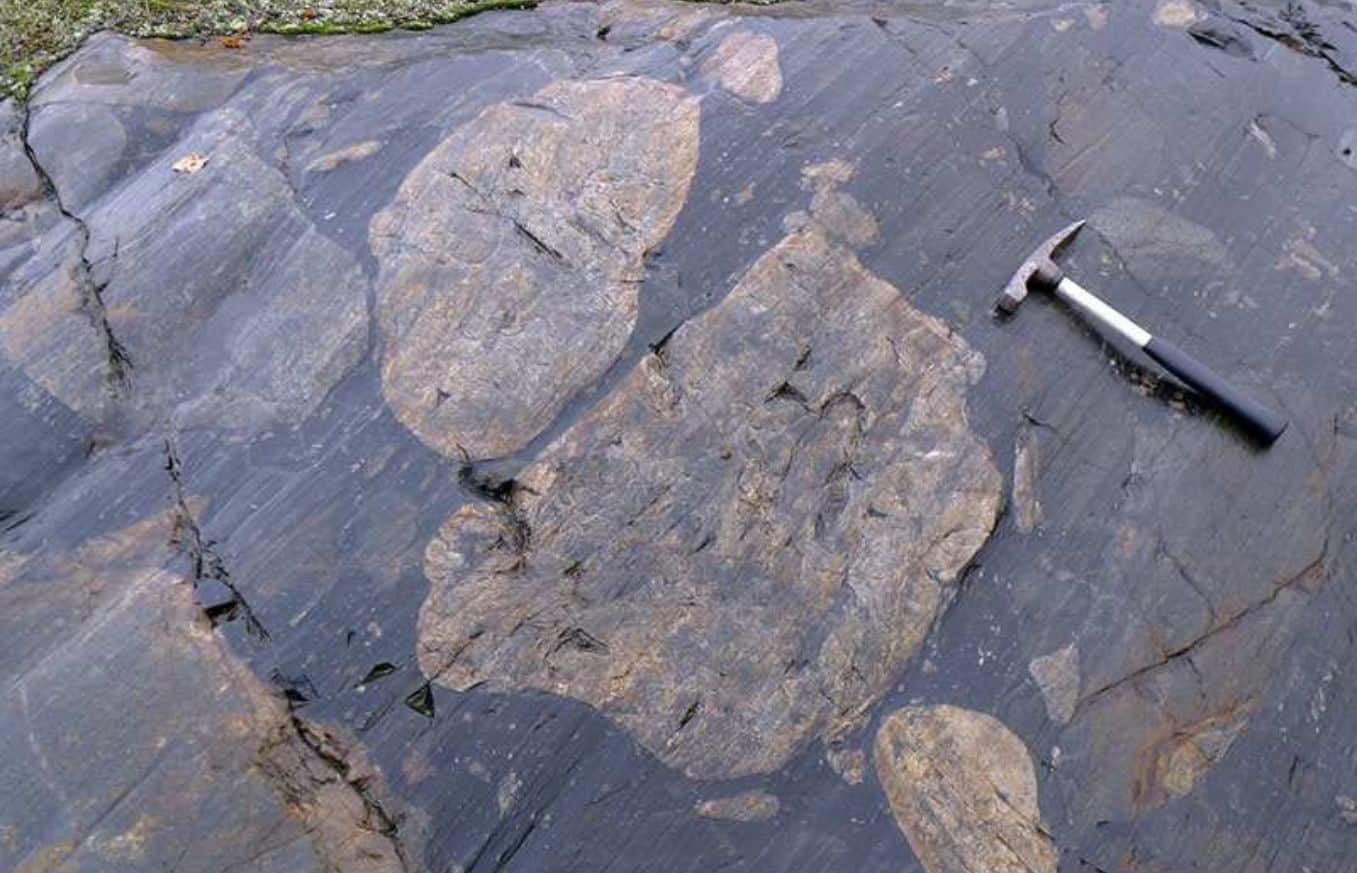
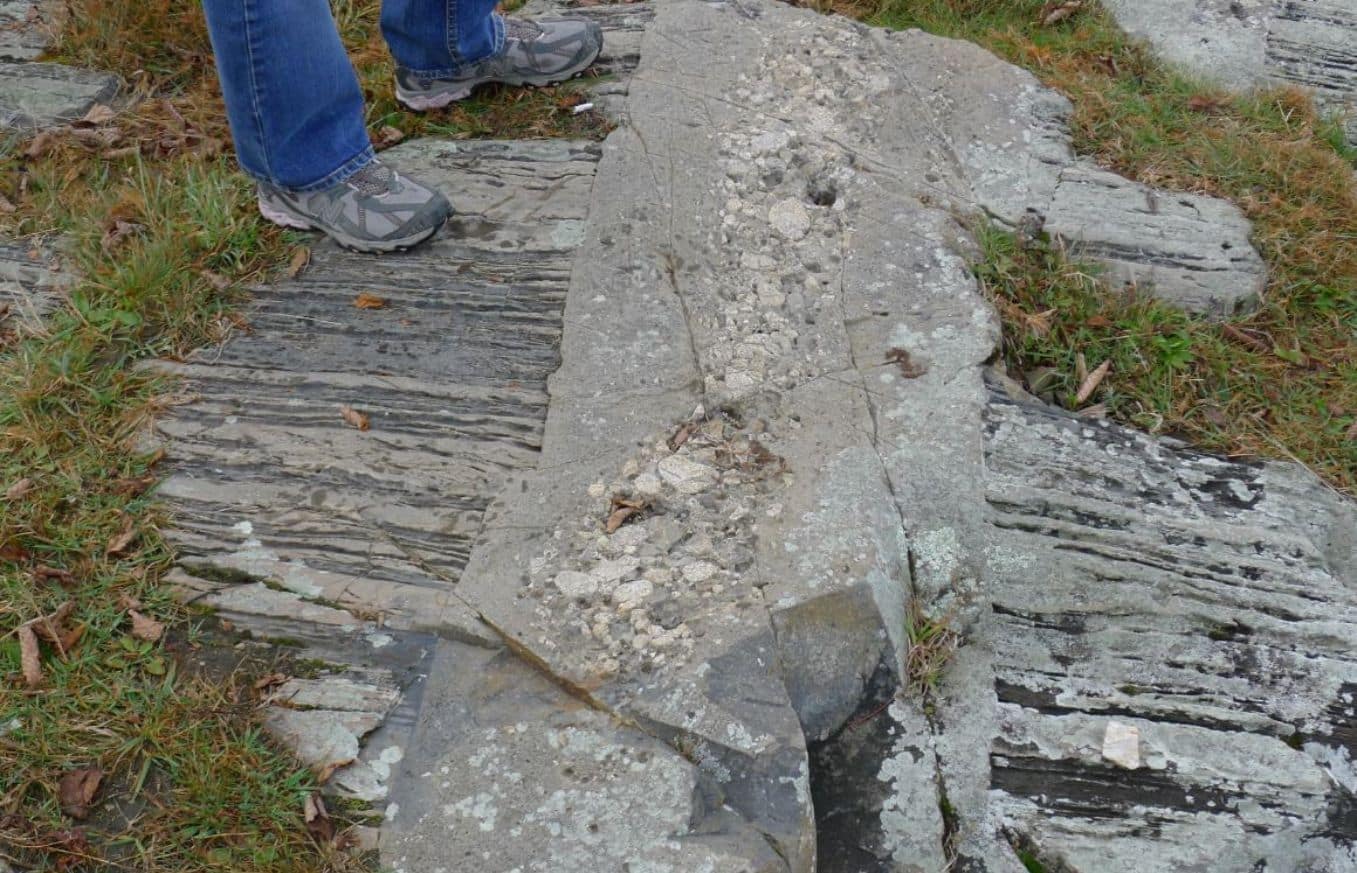



DEEP TIME’ is the themed expression of how exploring and understanding the past helps create a better future. The unique DEEP TIME story and its eight geological chapters encourages both visitors and residents to know the past, celebrate the present and help create a more resilient future for the Bay and its many communities.
2.7 billion years
Sault Ste Marie to Serpent River
The ancient mineral-rich rocks of the North Channel record the breakup of the planet’s oldest supercontinent – and the birth of the Huronian Ocean.
1.8 billion years
Serpent River to Killarney
1.8 billion years
Serpent River to Killarney
1.3 billion years
Killarney to Honey Harbour
The waterscape of the 30,000 Islands exposes the deep crustal roots of the immense Grenville Mountains formed when North and South America collided.
500 million years
Manitoulin Island
Much of North America was covered by warm shallow seas, teeming with early marine life that left fossil-rich limestones on Manitoulin Island.
350 million years
Tobermory to Wiarton
Within the last 2 million years, the Bruce/Saugeen peninsula was scoured by Ice Age ice sheets that cut deep valleys into the face of the Niagara Escarpment such as at Owen Sound.
13,000 years
Collingwood to Wiarton
The raised beaches of glacial Lake Algonquin surround the coast of southern Georgian Bay like staircases and hosted the camps of caribou-hunting Paleo-Indians 11,000 years ago.
Last 10,000 years
Collingwood to Honey Harbour
The ancient hard rocks of the Canadian Shield meet the softer limestones of the ancient seas creating a stark contrast in landscapes, ecosystems, and a diverse cultural history unique in North America.
4,000 years to today
Waters of Georgian Bay
In 1615 Samuel de Champlain called Georgian Bay ‘La Mer Douce’ (the sweet water sea). An early map also portrays it as Karegnondi, derived from ‘lake’ in the language of the Petun First Nation.