Georgian Bay Rocks!
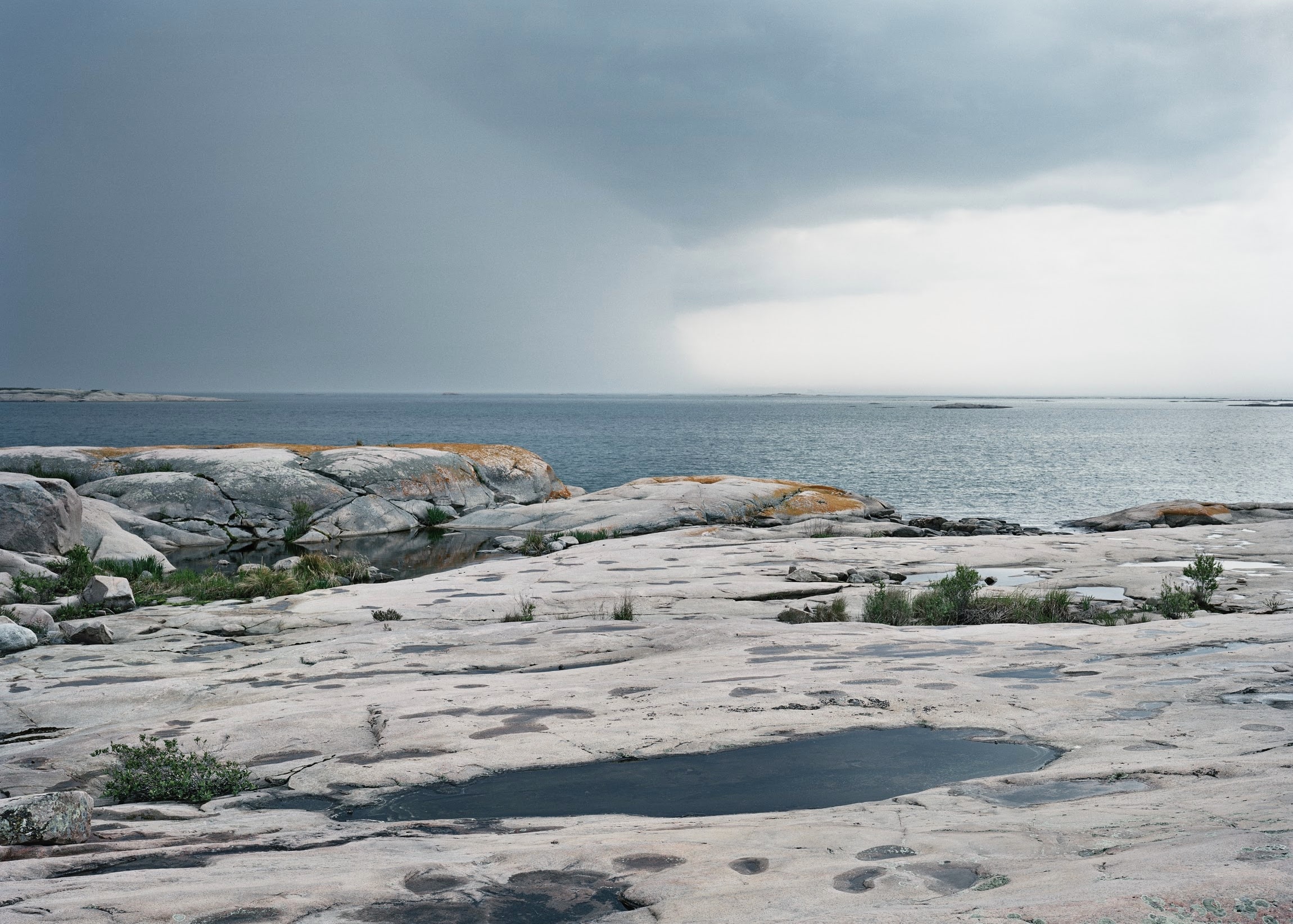
Georgian Bay is an incredibly important geological gift of nature, and we here at the Georgian Bay Geopark are working hard to lay the groundwork so that future generations will have the knowledge, resources, data and understanding to make well-informed decisions going forward.
By helping residents and visitors discover and understand this unique geology, we can hopefully instil a shared goal to protect and safeguard the Bay for the enjoyment of everyone, now and forever.
This Giving Tuesday, we hope you will consider the Georgian Bay Geopark.
Giving Tuesday was initiated in 2012 by Henry Timms of the 92nd Street Y in New York, along with the United Nations Foundation. It was a day created to counter the consumerism and commercialization of Black Friday and Cyber Monday by encouraging people to reach out, do good, and support the causes and actions dear to them. Georgian Bay certainly fits that bill for many!
It’s been a boon for charities and nonprofits, not only for the dollars it raises, but for the awareness that these organizations so often need.
Donating financially to a cause is one way to support “Giving Tuesday”, however not the only way.
Volunteering your time, spreading the word via social media or simply telling a few friends, are all ways to “do good”, and keep this now global movement going strong!
As a nonprofit, our Georgian Bay Geopark Initiative relies on the support of many incredible organizations, as well as so many wonderful individuals who generously help us out, and we thank you, from the bottom of our hearts. We couldn’t do it without you!!
So please consider supporting us in whatever means works for you; tell a friend, make a cash donation, post on social media. We are gearing up for a big 2025, and every little bit helps.
Warm regards,
The Georgian Bay Geopark Team

DEEP TIME’ is the themed expression of how exploring and understanding the past helps create a better future. The unique DEEP TIME story and its eight geological chapters encourages both visitors and residents to know the past, celebrate the present and help create a more resilient future for the Bay and its many communities.
2.7 billion years
Sault Ste Marie to Serpent River
The ancient mineral-rich rocks of the North Channel record the breakup of the planet’s oldest supercontinent – and the birth of the Huronian Ocean.
1.8 billion years
Serpent River to Killarney
The Group of Seven’s white rolling quartzite hills are the stumps of mountains formed when landmasses collided to form supercontinent Nuna
1.3 billion years
Killarney to Honey Harbour
The waterscape of the 30,000 Islands exposes the deep crustal roots of the immense Grenville Mountains formed when North and South America collided.
500 million years
Manitoulin Island
Much of North America was covered by warm shallow seas, teeming with early marine life that left fossil-rich limestones on Manitoulin Island.
350 million years
Tobermory to Wiarton
Within the last 2 million years, the Bruce/Saugeen peninsula was scoured by Ice Age ice sheets that cut deep valleys into the face of the Niagara Escarpment such as at Owen Sound.
13,000 years
Collingwood to Wiarton
The raised beaches of glacial Lake Algonquin surround the coast of southern Georgian Bay like staircases and hosted the camps of caribou-hunting Paleo-Indians 11,000 years ago.
Last 10,000 years
Collingwood to Honey Harbour
The ancient hard rocks of the Canadian Shield meet the softer limestones of the ancient seas creating a stark contrast in landscapes, ecosystems, and a diverse cultural history unique in North America.
4,000 years to today
Waters of Georgian Bay
In 1615 Samuel de Champlain called Georgian Bay ‘La Mer Douce’ (the sweet water sea). An early map also portrays it as Karegnondi, derived from ‘lake’ in the language of the Petun First Nation.