We hope January has been good to you, whether you are here enjoying a truly Canadian winter, or traveling to try and avoid it!!
Here’s a a quick catch-up to highlight a few of the events the Georgian Bay Geopark has been involved with over the last little while, to share the amazing cycling adventure tour of the South Coast that’s just launched, and to pass along the link to a piece that our team geologists have had published recently.
As always, feel free to send us a note anytime.
Warm regards,
The Georgian Bay Geopark Team
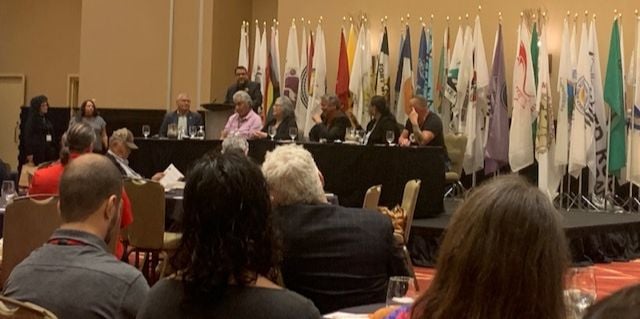
As we continue to make our way around the Bay sharing information about our Geopark vision, we’d like to thank all the incredible people who have taken the time to come out to an event, stop by a conference booth, or simply just reach out to learn more. Over the last couple of months, we’ve engaged with many different groups, and have been met with overwhelming support.
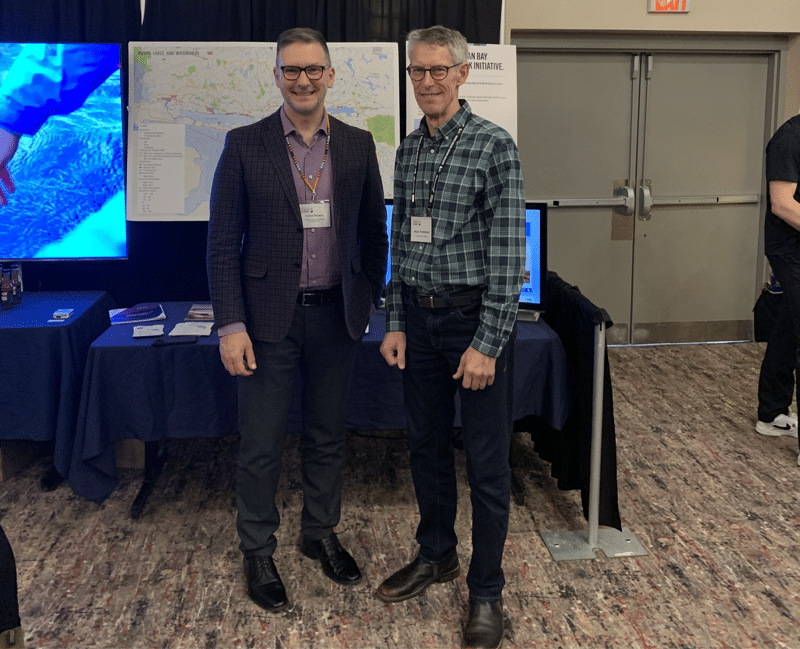
Bryan Plumstead, who is part of our Geopark tourism team, attended the DNO Summit held in North Bay from November 19-21. This Summit has been bringing together tourism businesses, organizations, suppliers, and all levels of government since 2014. We were thrilled to be able to share our mission with this group which garnered some incredible interest.
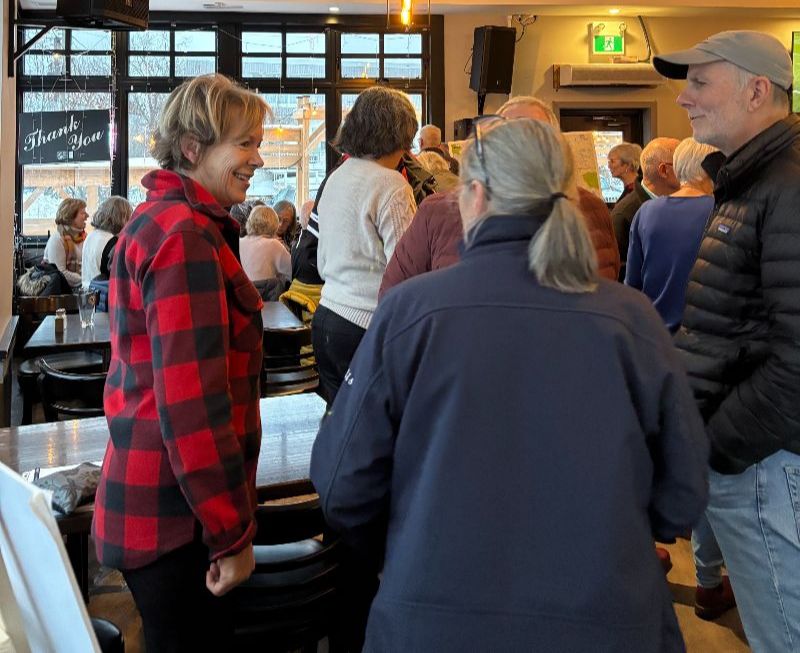
More recently, Janet Lougheed and Laura Adams were invited to speak at the Thornbury Yacht Club’s monthly “Pub Night”. It was a great crowd, and we were happy to share our Geopark vision and answer all the questions. Thank you to Heather Reid for the invitation, who is also instrumental in the Beaver Valley Destination Stewardship group.
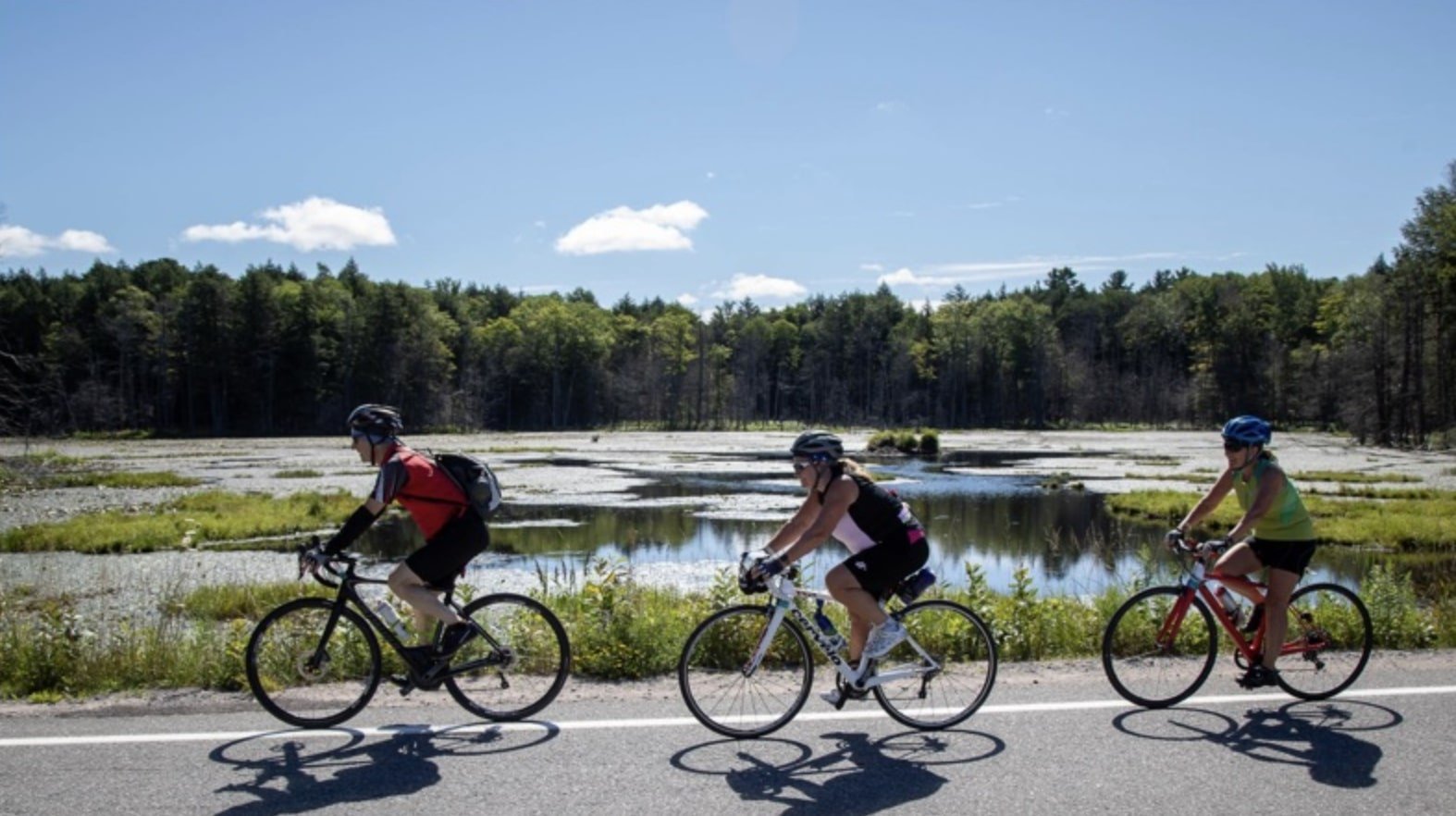
Come explore the southern coast of Georgian Bay on our inaugural Cycling Adventure Tour taking place September 7th to 16th!
The Tour is a demonstration project for the Geopark showcasing the geology and the geography, and how they have shaped the history, the people and the many incredible businesses around the Bay.
Our tourism team, lead by volunteer Robert Wong, have developed a fantastic 8-day cycling tour that is jam packed with incredible culinary, historical and indigenous experiences. Robert, who is also an avid cyclist, will be your guide.
We are initially targeting international visitors, and hoping to gather a diverse group from all over the globe, however we will certainly welcome enthusiastic Canadians as well. So, if you know of somebody “from away” who you think would love to experience Georgian Bay, and all it has to offer, please share. Thank you!
Our two Geopark team geologists recently had a paper on the Gowganda Formation published in Earth Science Reviews.
The Gowganda Formation, exposed along the north shore of Lake Huron, is arguably the most significant geological unit within the Geopark. At 2.3 billion years old, it has been a key focus of scientific study for over a century as one of the earliest known records of glaciation on Earth. Our research, based on fieldwork and sedimentological analysis, reveals that the rocks are a product of glacially-influenced submarine sediment gravity flow along a tectonically active continental margin, much like the offshore of Norway today. This contrasts with the earlier interpretation of the formation as a simple terrestrial glacial succession.
The journal has kindly provided a “share link” to allow free access to read and download for everyone until February 25, no sign up required. After that, it goes behind a paywall.
Here it is: