“To know it better is to love it more deeply, and loving it will protect it.”
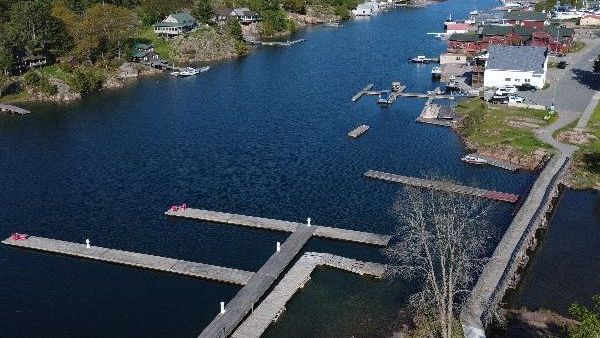
“Killarney has always had a special place in my heart because of our family history. The broader history of Georgian Bay, of which Killarney is a part, runs deep. That history is worth exploration, education and enjoyment and that is why I am in support of the Georgian Bay aspiring geopark.”
– Holden Rhodes owner Killarney Mountain Resorts
From Hunter Corbiere our First Nations researcher
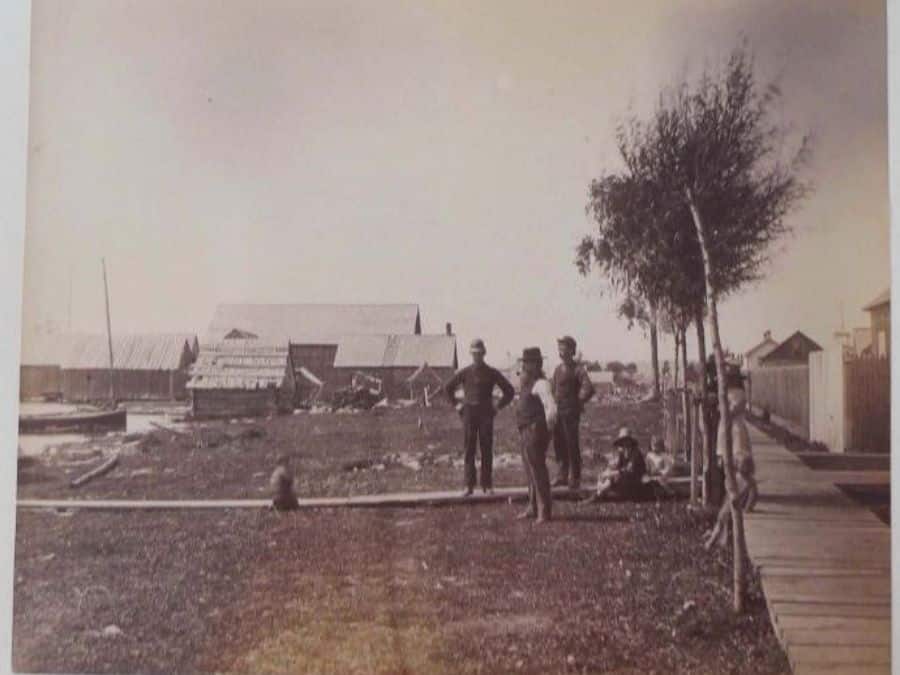
The Killarney area of Lake Huron’s North Channel is also known traditionally as the canoe passage/ safe passage or Shebahonaning in the Anishinaabemowin tongue. Shebahonaning was once a well-travelled route for the many First Nations who hunted, fished and trapped this vast landscape. It was later often used by voyageurs and explorers travelling west to Thunder Bay or east to the Atlantic.
The area of Shebahonaning is believed to have been inhabited during the 9,000 years following the last ice age. Shebahonaning is the traditional land of the Anishinaabek, Ojibwe, Odawa (or Adawe), and Potawatomi tribes, who migrated en masse west from the Hudson Bay circa 1400.
Dr. Kirsten Kennedy – Georgian Bay Geopark geologist
We spent a few days exploring Killarney where 1.7 billion year old granite extends as a peninsula into Georgian Bay. Here, we were interested in the glacial history of bedrock erosion, and the raised shorelines created by falling lake levels. But perhaps most interesting is the large, very straight, bedrock fractures of Killarney Channel, also known Shebanoning or ‘Canoe Passage’ in honor of it’s long history of navigation.
Establishing a UNESCO Geopark encompassing the whole of our Georgian Bay watershed will mean that everyone who encounters this part of Canada will be offered true insight into its remarkable uniqueness; its astounding deep-time geological origins, and history of its first peoples.
With ever increasing pressures of population growth, over- development and human encroachment into our remaining wild and natural spaces, ensuring wider understanding and deeper appreciation for this special place will be critical to help us protect it and manage growth responsibly.
“To know it better is to love it more deeply, and loving it will protect it.”
Help the Georgian Bay Geopark continue to reveal the Deep time stories of First Nations, & Settler history with geological science to uncover the tales so everyone who lives or visits this place treats the bay with value and respect to preserve it for future generations to enjoy.
Make a gift thru the Small Change Fund our charitable partner
https://smallchangefund.ca/project/georgian-bay-aspiring-geopark/